
Anyone who lives in the Plattsburgh area knows that winter here can be intense. Temperatures regularly drop below freezing, snow piles up quickly, and even short trips outside can expose electronics to cold, wind, and moisture.
If you wear hearing aids, these conditions can sometimes affect how your devices perform. The good news is that modern hearing technology is designed to handle a wide range of environments—but a few simple precautions can help ensure your hearing aids keep working their best all winter long.
Here’s what to know as the temperatures drop across the North Country.
Tip #1: Cold Weather Can Drain Batteries Faster

Cold temperatures can temporarily reduce battery performance in many electronic devices—including hearing aids.
Disposable batteries may lose power more quickly when exposed to cold air, especially if you’re spending extended time outdoors. Rechargeable hearing aids can also experience slightly reduced battery efficiency in extremely cold conditions.
Helpful tip:
Keep spare batteries with you during the winter months, and try to store them at room temperature whenever possible.
Tip #2: Moisture From Snow and Condensation

Moving between cold outdoor air and warm indoor spaces can create condensation. This moisture can collect inside hearing aids and potentially interfere with microphones or internal electronics.
Snow, sleet, and winter clothing can also trap moisture near the ear.
Helpful tip:
At the end of the day, open the battery door or place rechargeable devices in their charger to allow them to dry. Many hearing aid users also benefit from using a simple hearing aid dehumidifier overnight.
Tip #3: Winter Hats, Scarves, and Wind Noise

Winter clothing helps keep us warm—but hats, scarves, and hoods can sometimes rub against hearing aids or create additional wind noise around the microphones.
This doesn’t damage hearing aids, but it can affect sound quality temporarily.
Helpful tip:
Choose hats that fit comfortably without pressing tightly against your ears, and avoid thick fabrics that brush directly against the microphones.
Tip #4: Extreme Cold Can Affect Comfort
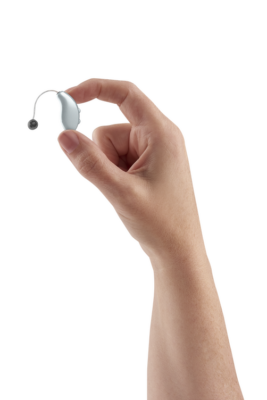
Cold air can make hearing aids feel slightly firmer or cooler when first inserted. While this doesn’t damage the device, it may feel less comfortable until the hearing aid warms up to body temperature.
Helpful tip:
Store hearing aids indoors and insert them once you’re inside rather than outside in the cold.
Tip #5: Regular Maintenance Matters Even More in Winter
Winter conditions simply mean hearing aids are exposed to more environmental stress than usual. Routine maintenance helps ensure they continue performing as expected.
At Pro-Care Hearing, we often recommend winter check-ups to ensure devices are clean, properly adjusted, and functioning reliably.
Staying Connected Through the North Country Winter
Even in the quietest winter moments—the sound of snow under your boots, wind moving through the trees, or conversations with family indoors—hearing clearly helps you stay connected to the season.
If your hearing aids haven’t been checked in a while, a quick visit can help ensure they’re ready for whatever the North Country winter brings.
Need help with your hearing aids this winter?
✅ Free Hearing Screenings
✅ Walk-ins Welcome: Plattsburgh • Malone
📞 Call 518-563-1748
Enjoy the sights. But don’t miss the sounds.